storyboard + animation progress
Design is Storytelling Sept 10 Response
This reading from Design is Storytelling explains the ways in which storytelling can be broken down into pieces that each have an intentional effect on audiences. Color palettes, word choices, durations, placements, and various other elements are employed with intention to create desired responses.
The color portion of this reading made me think about my own situation for project 1. I had originally planned on using a black background with sketched white illustrations to tell the story, but including specific colors in some scenes will help me create tones and moods that further establish the story and capture its essence.
According to gestalt principles, our brains create whole objects and concepts based on the collection of pieces that we see and perceive. In animation, negative space, moving parts, and assemblages of parts create a moving image that makes sense as an action that we can recognize and understand, even though it is simply a flat plane making use of separate images.
Six Memos Lightness QCQ (September 5)
Six Memos for the Next Millennium Chapter 1 QCQ
Q “…and not even the mention of the word stone could weigh the line down.”
C Calvino discusses “lightness” as the use of language that makes a phrase or a story feel light, and eases the weight that the reader is figuratively carrying. Lightness in a story can make the words and concepts more accessible and inviting. Narratives don’t have to feel so intense and heavy. He gives an example of an empty bucket. To me this story communicates the idea that when we have an empty bucket, or we are starting from nothing, there is endless opportunity for new places to go and new content to fill that bucket.
Q How can lightness be communicated visually? What styles of motion graphics communicate lightness and what is the impact of lightness in this context?
Exercise 3
https://www.artofthetitle.com/title/the-pink-panther/#
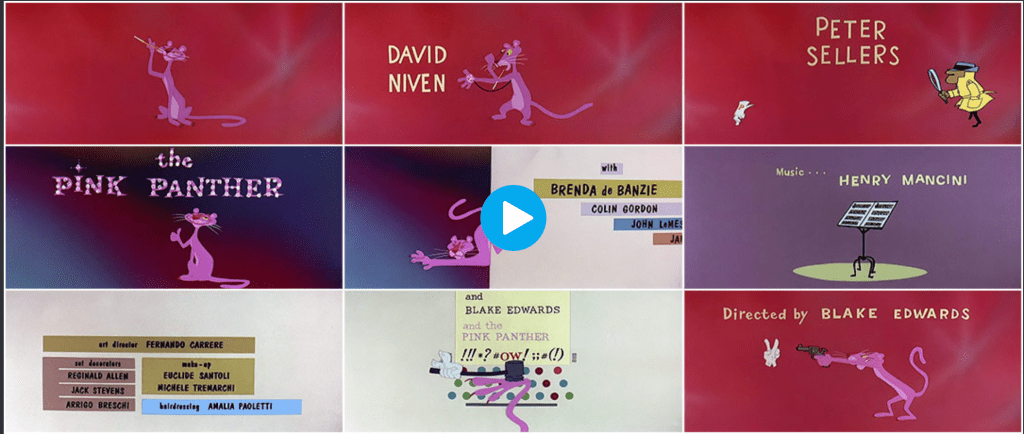
This Pink Panther title sequence, by DePatie-Freleng Enterprises, Inc. is effective because it provides entertainment before the film in the form of an animation that interacts with the text. The text maintains certain hierarchies, placing the starring roles and title as the largest and most interactive with the characters. It does not necessarily reflect the exact events in the film or even the style of film (live action vs. animation) but it does offer a lighthearted cartoon involving the film’s “mascot.” Audiences can enjoy and remember this sequence by its childlike aspects and its famous theme song. It is a very long title sequence that may not hold the attention of an audience, but I can see how it would function as a short cartoon and therefore hold attention.
Project 1 Proposal
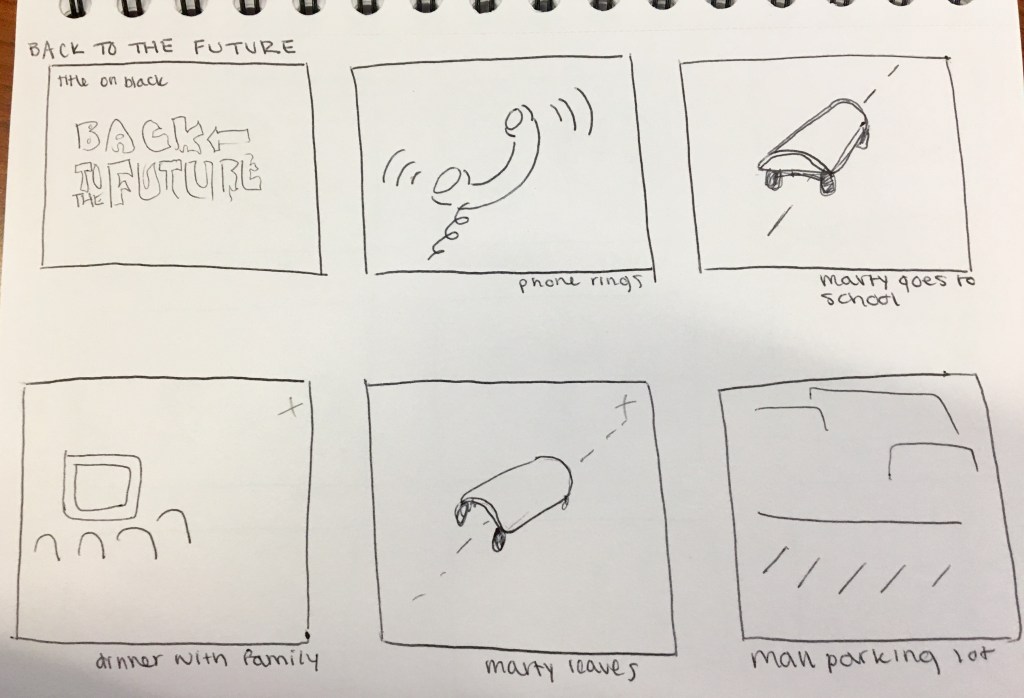
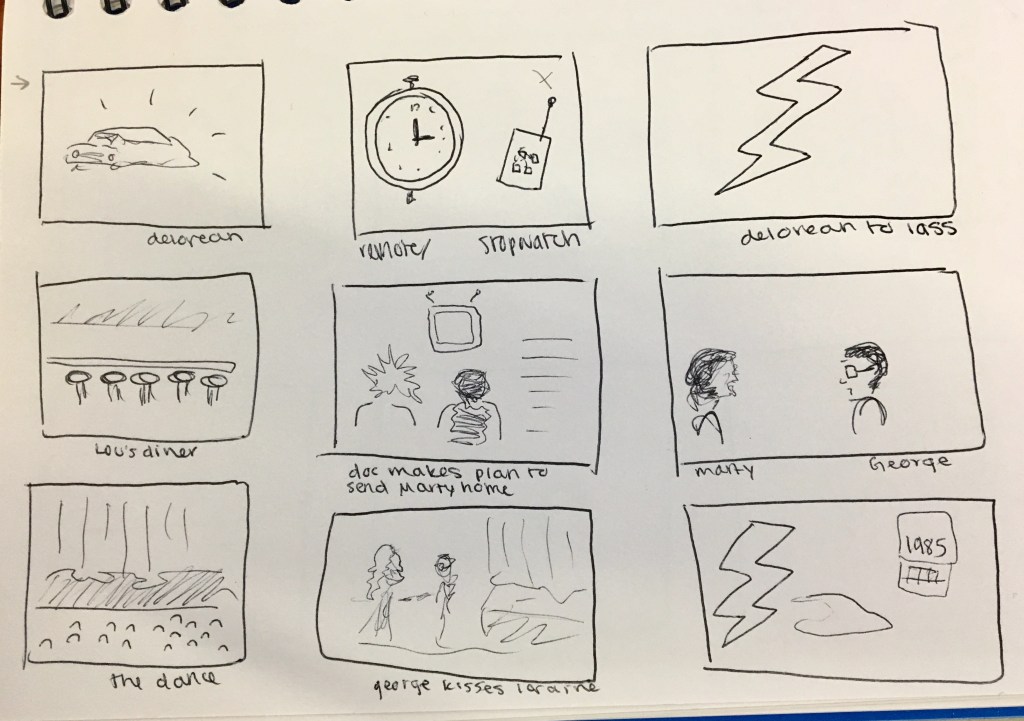
For project 1, I will be exploring a classic, three act narrative structure that is also a Hero’s Journey structure. Back to the Future tells the story of Marty McFly and his friend Doc, and their experience with time travel. Doc converts a Delorean car into a time machine, which Marty gets into and travels back in time 30 years. In the past, he realizes that he must make sure that his parents end up together in high school, or else he will not be born. He overcomes this challenge through strategic events and interacting with characters from he past. He is able to come back to the present momentarily at the end of the film.
This animation will be simple and concise, but will include iconic representations to make the animation recognizable as the film.
Tech Explores
Exercise 2
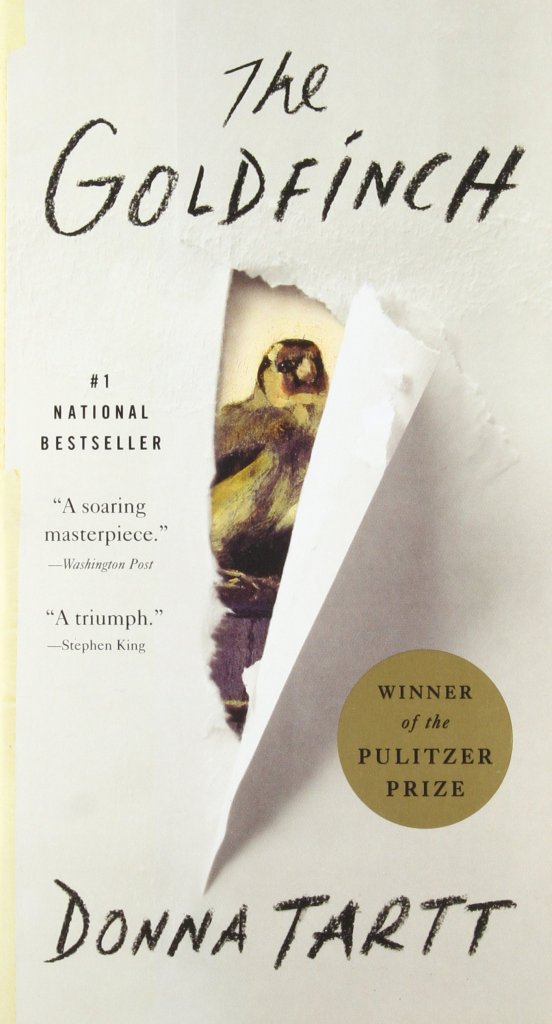
1. This book cover is simple and inviting and does include an image that relates to a major plot point of the novel.
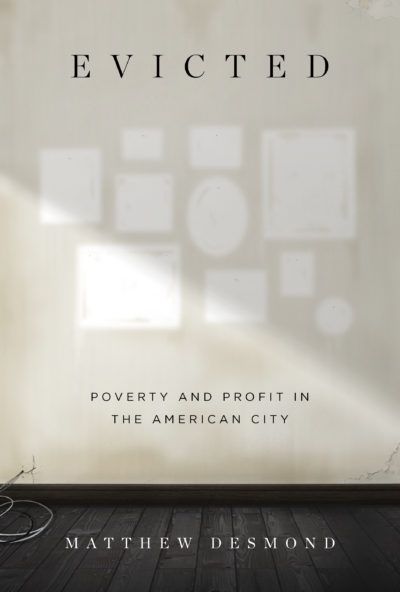
2. This book cover is compelling and does capture a realistic image of an empty house.
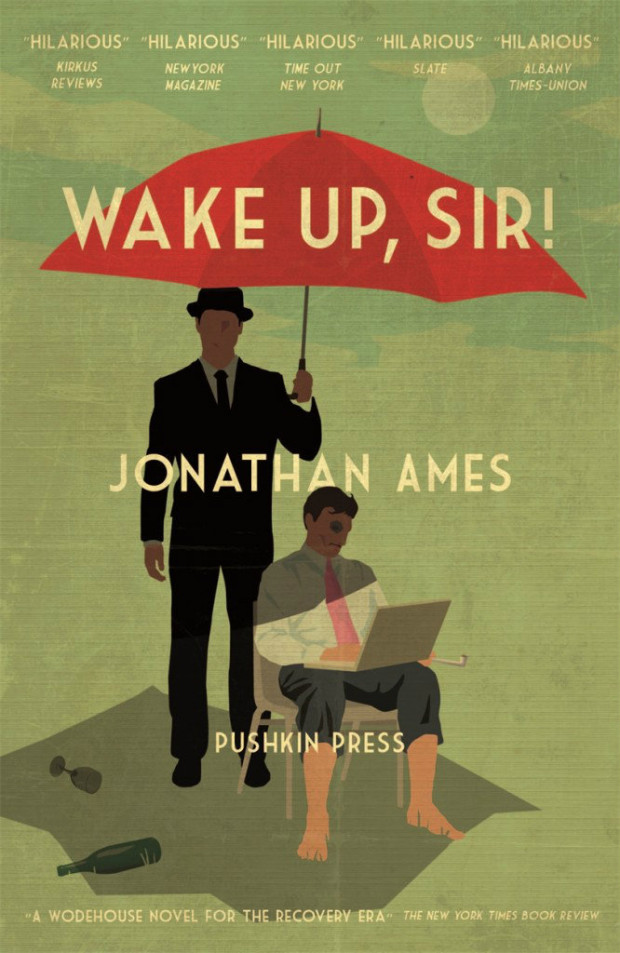
3. The illustration on this book’s cover is compelling and visually and compositionally interesting. It depicts the novel’s two main characters and doesn’t seem to be creating any kind of false idea of what the text might contain.
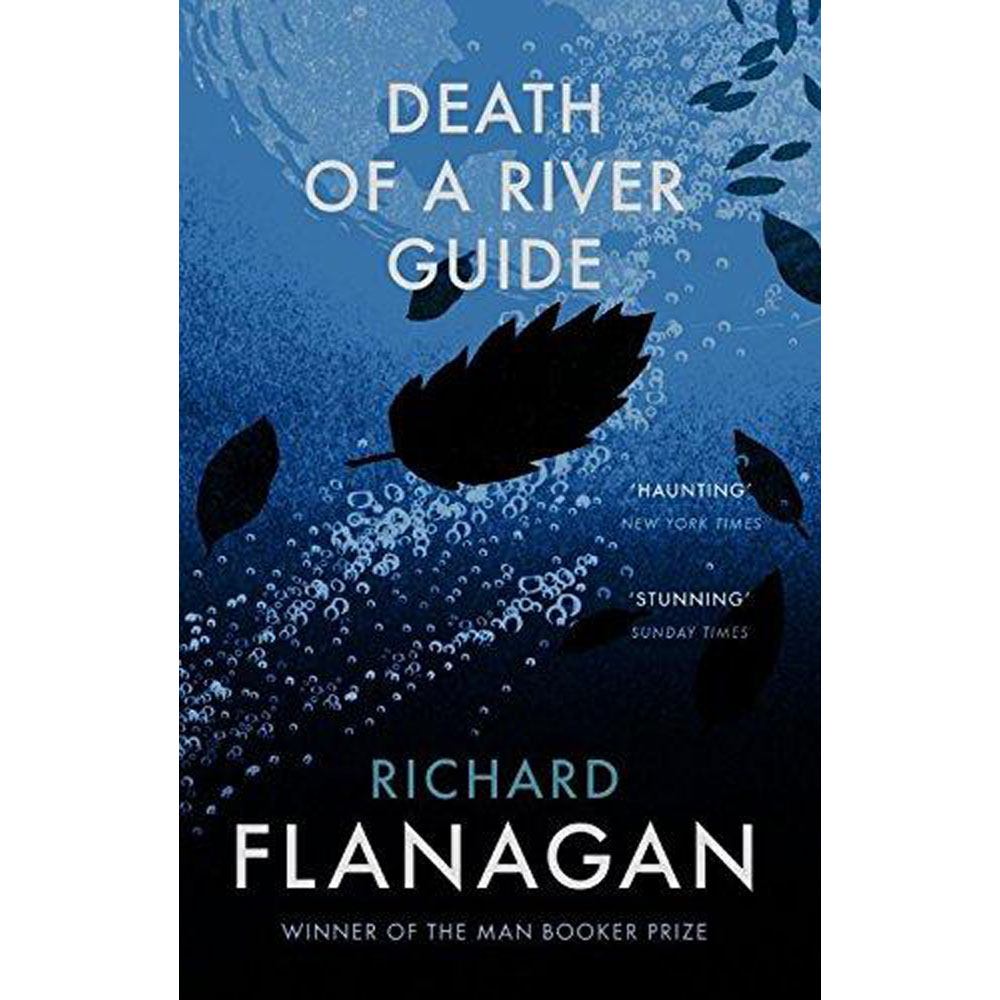
4. The title, imagery, and simplicity of text make a compelling book cover. The sans serif text allows the words to speak for themselves and speak boldly, making them captivating.
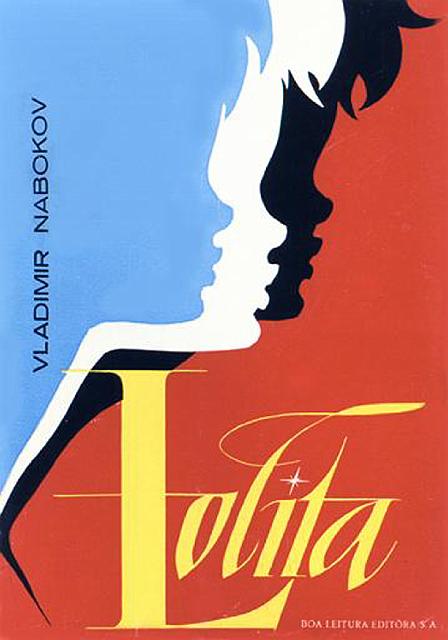
5. A poorly designed book cover that does not do it’s story justice: The article that this book was included in said that this Lolita cover looked like an ad for dishwashing fluid and I can’t disagree.
The 60 Best and Worst International Covers of Lolita
Lupton Design is Storytelling 9-27
From Ellen Lupton’s Design is Storytelling reading, I was presented with a new perspective about the possibilities and uses of design. I have accepted the idea that design is focused almost solely on problem solving, but I am beginning to understand that design has a role in narrative and storytelling. Designing a narrative involves laying a foundational structure for the story to be held, and of course creating visuals can tell a story. Functional, problem-solving design can tell a story as well. Communicating values and ideas through visual design establishes a story of a brand, location, or product.
Exercise 1
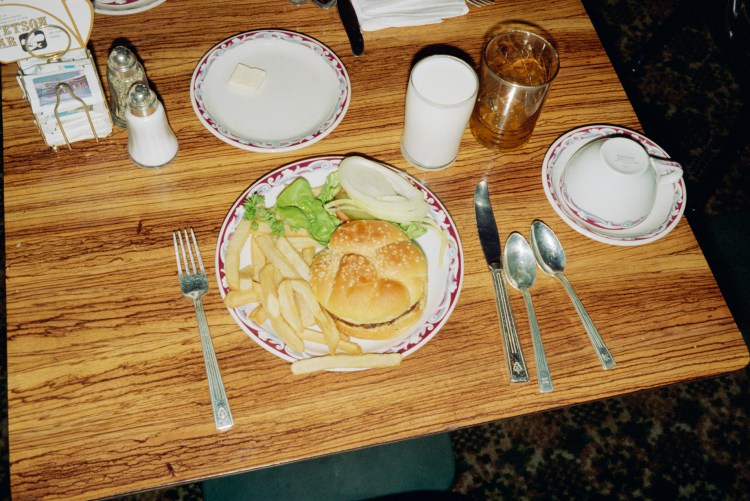
This image tells the story of a meal. Upon first glance, the wood table and carpet may appear to be in a home, but the other items on the table make it appear to be in a restaurant. A simple, cheap looking meal sits on the table, still untouched.
http://stephenshore.net/photographs/americansurfaces/index.php?page=8&menu=photographs
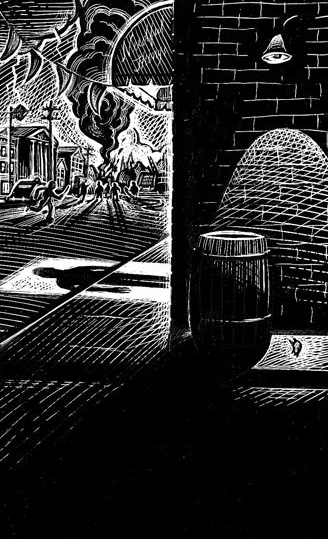
This illustration tells a story because it includes characters, figures in the background and one elusive figure indicated by a shadow in a doorway. Chaos and conflict appear in the background with a smoky fire and figures in action.
https://billustration.com/portfolio/narrative/
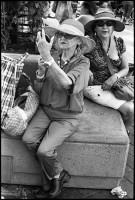
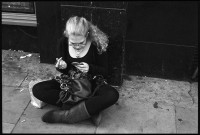
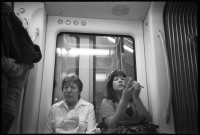
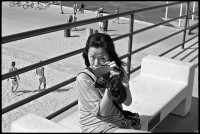
http://ed-templeton.com/photography/make-up-girls/
Ed Templeton’s “Makeup Girls” series depicts women in various locations, likely around the state of California, applying makeup, frequently in public places. The series as a whole creates an abstract narrative of a common woman. She stops what she is doing wherever she is to take a moment to touch up or apply makeup.


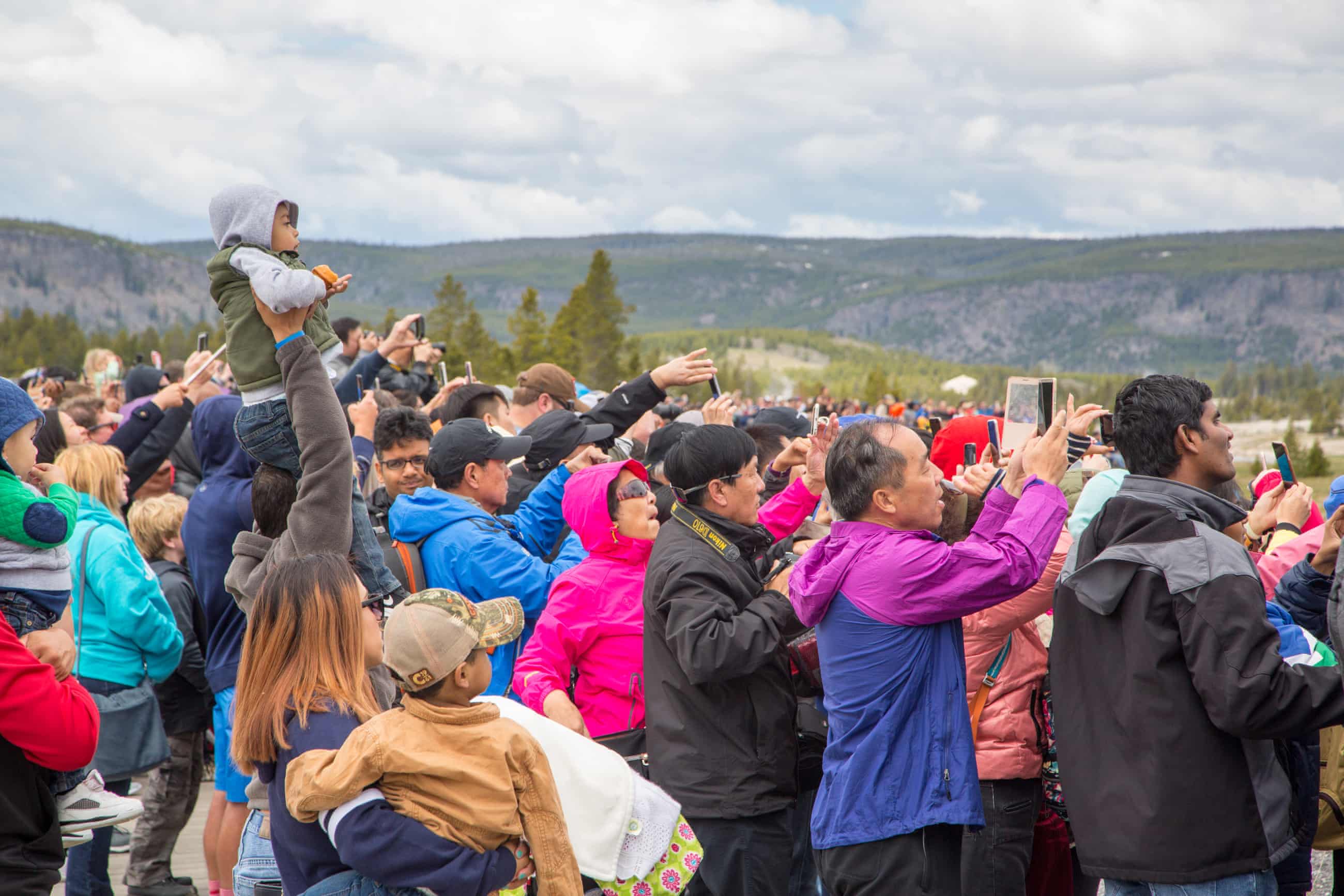
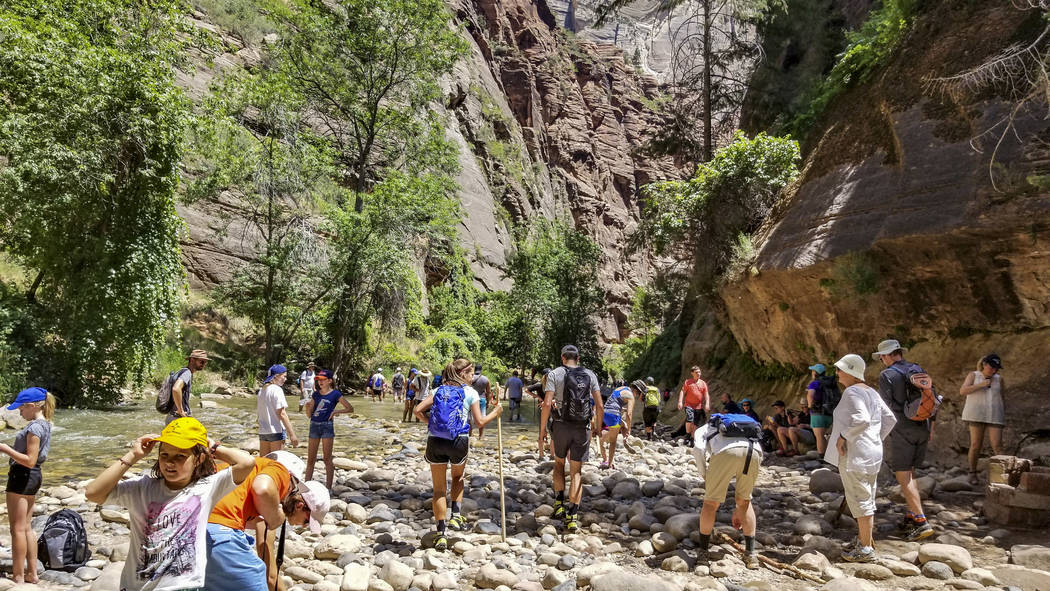
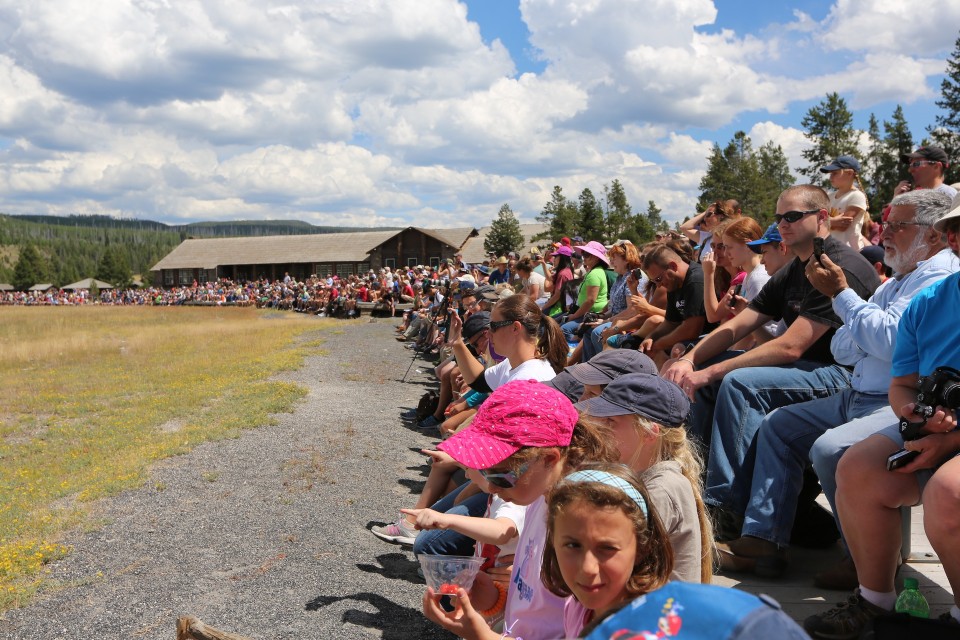
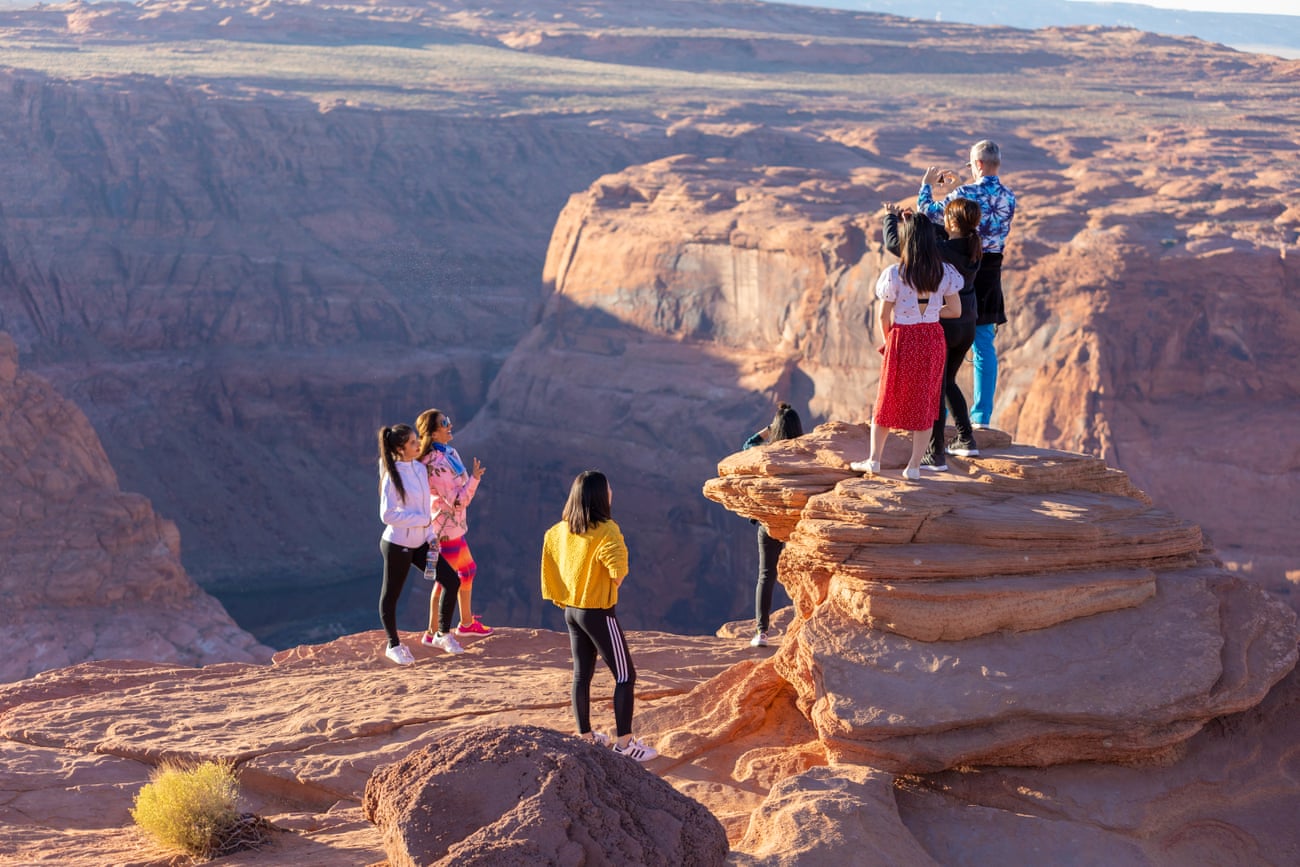
Several recent news stories have included striking images of overcrowded National parks and the human impact on said parks. When the images are grouped they indicate a common and frequent issue.
http://songoftheroad.com/2013/08/yellowstone/
https://www.nrdc.org/onearth/trumps-shutdown-snowball-rolling-over-systems-protect-americans
 Narrative Design Fall 2019