Six Memos Multiplicity QCQ (October 10)

Q “…but the misdeed was the result of a whole cluster of causalities that had buffeted like a whirlwind…”

C Stories today consist of a network of events and connections. Elements don’t exist on their own. They are influenced by context. There exists an “infinite relationship of all things with all things.”

Q In relation to design and storytelling, would Calvino’s thoughts on multiplicity mean that we must as designers, pay attention to each detail and network created and existing within a story that we are telling? Essentially what we would call a whole systems approach?

Project 2 Progress (October 8)

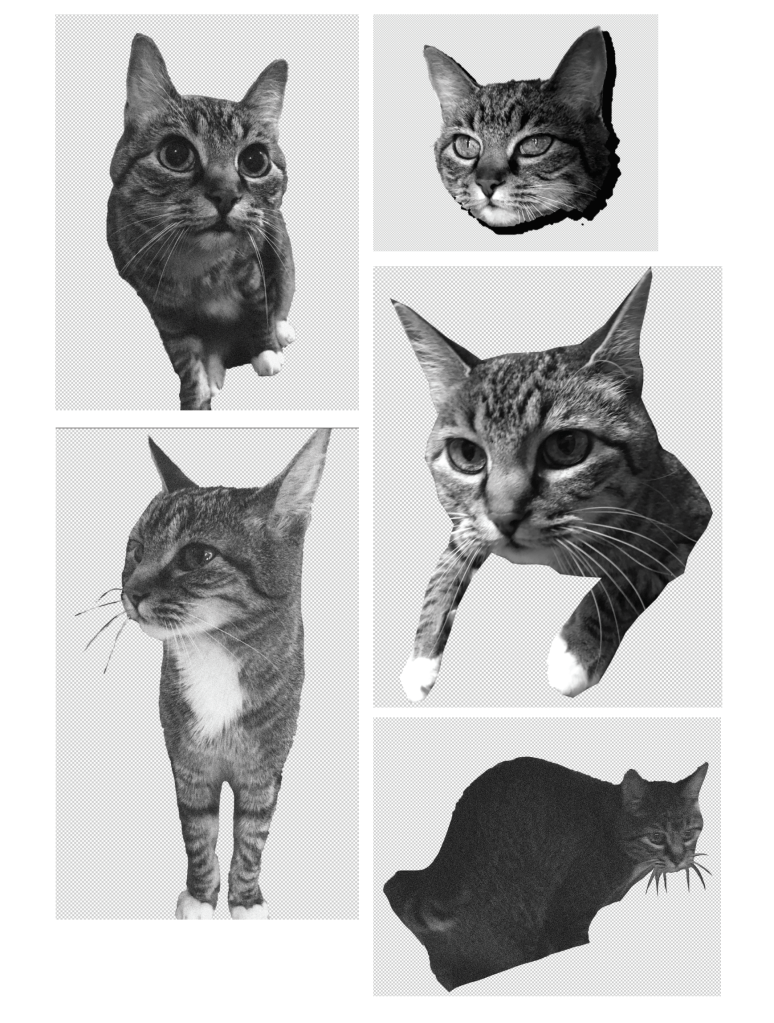
At this point I am still generating content that will be placed into my video piece for project 2. I am working in photoshop to stylize images to be imported into After Effects, where I will create animations. I will import short video clips (animations + footage) into Premiere to put together the complete video.

Six Memos Visibility QCQ (October 8)

Q “We can distinguish two types of imaginative processes: one that begins with words and ends with the visual image, and another that begins with the visual image and ends with its verbal expression.” … “Where do the images in our imagination ‘rain’ from?” … “From Renaissance magic…comes the notion of the imagination as a communicative link to the world soul…”

C Our understanding of concepts can come from imagery and visions that we have of that concept. We also select a version of different images that come to mind to get the most clear representation of that concept.

Q How do recycle images for new understandings? Would we be able to understand concepts presented in film without pre existing images? How do we we make sense of entirely new concepts in film and design that we have ever seen before? Do we only place value on things we have already seen?

Six Memos Exactitude QCQ (October 3)

Q “A plague that manifests in language as a loss of cognitive power and immediacy, as an automatic tendency to reduce expression to its most generic, anonymous, abstract constructions and to dilute its meanings…”

C Calvino expresses that exactitude is defined and precise language that communicates the exact essence that a writer (or designer) is trying to convey.

Q How does exactitude translate in design? Are words translated to color palettes, symbols, time, sound, pace, and appearance?

Project 2 Proposal + Design Brief (October 1)

Project 2 Design Brief 

1. Title

Famous Female Portrait

2. Stakeholders

Myself, Sarah Smalley, as well as instructor Carrie Osgood acting as art director. Other students may critique and help me to enhance my work, as well as offer a reaction to my completed work to measure success.  

3. Context

This project will take the form of a video created in Adobe Premiere that generates a narrative based on a nonfictional character. 

4. Problem Identification 

Aside from any personal connection I may have to the subject, I must create a compelling narrative that evokes a response in others that do not share my experiences or inspiration from the subject. 

5. Objectives 

The purpose of this project to create a narrative through time based media that evokes a sense of appreciation for the character presented. 

6. Audience 

The definite audience for this work is Narrative Design students, of which most of us are between 20-30 years old, all students with artistic and design backgrounds. However among the class and in the public (anyone can view on Vimeo) people of any age, ethnicity, and other backgrounds can see the video. I will be cautious and attentive to any messages that I am communicating so that they are not offensive to any part of the public. 

7. Positioning and Communication Strategy 

If I use my cat, Kita, as the character for this project, the message I want to evoke is that she is a strong and healthy pet even in her old age, and that cats can be more exciting than people sometimes make them out to be. 

8. Pragmatic Issues 

I have limited experience with Adobe Premiere, so making the smoothest, most cohesive possible video is a challenge. I plan to use resources like YouTube tutorials when I am working toward specific goals using the software.

9. Project Proposal

For either option that I pursue (Cat or influential woman from history) , the visual style I will utilize is that of the post modern era of design. Both the story of my cat and the story of a historical female figure can benefit from this style. Collage-like artwork and bold, playful styles will create a welcoming feeling for audiences and evoke a sense of boldness, creativity, and a one-of-a-kind status of either character. 

For a historically significant woman, I want to utilize animation and effects that portray her as a superhero. For women of contemporary times, I think that innovative and brave women of the past can be looked up to in the way that a child may look up to a superhero. 

In the case of my cat, I will portray her as a bold, fearless female in the form of a celebrity or of other influential status. By animating and illustrating on top of photos I will create the atmosphere for either option. 
Design Is Storytelling (co-creation+persona+emoji) QCQ (October 1)

Q “From beauty products to tech gadgets, every product has a personality.”

C Co-creation makes for successful user centered design by working with potential end users to make the most logical product or service that will genuinely improve people’s lives. Personas exist as fictional but representative of potential users and help designers understand who they are catering to. Emojis communicate emotion and objects through icons. They can quickly and simply communicate messages to viewers.

Q What elements of MUJI’s products makes them gender neutral? Is the brand as successful as other brands who create products for a specific gender?

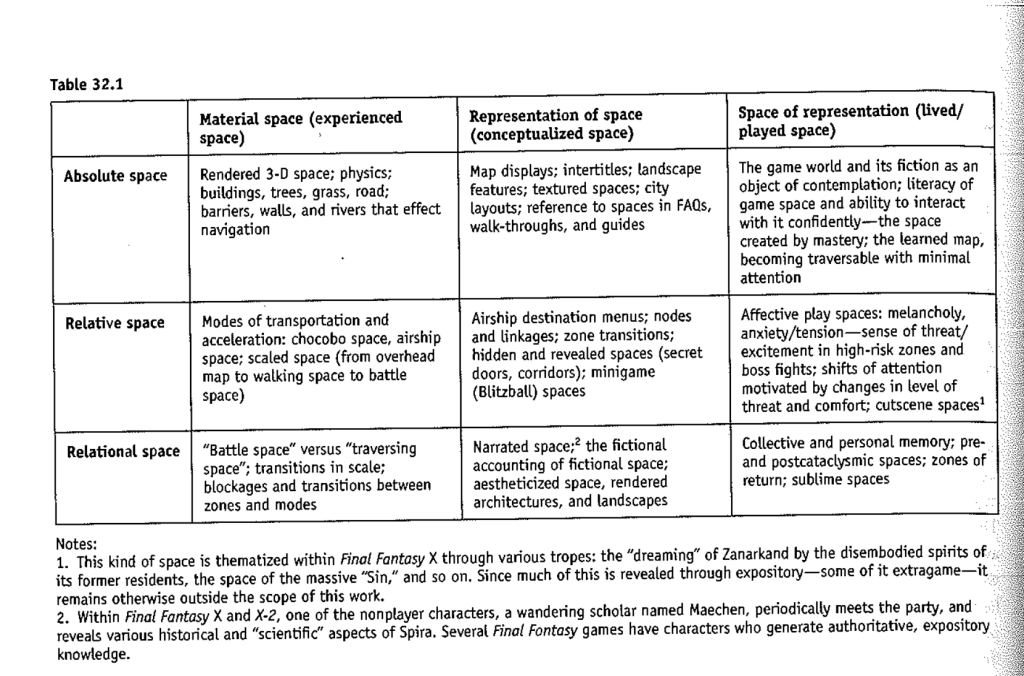
Epic Spatialities QCQ (October 1)

Q “‘The idea of simultaneity in the physical universe, [Einstein] taught us, has to be abandoned.’ … -for example, the internal space of a train coach which is both a static frame of spatial reference for the inhabitants of the coach even as it is traversing the space on land.”

C In the creation of games and in our “real” world, things don’t exist in space but rather create space around them.

Q Why is space being debated here? Do some narrative ignore or misuse aspects of space?

Multi-campaign Setting Design QCQ (October 1)

Q “It is incumbent on the designer of the multicampaign setting to know how her setting will deform under any such pressures, and ensure that the campaign type or types that the designer intends the game to support are possible, encouraged, and fun in her setting. “

C Hite explains that multi-campaign settings are typically built to accommodate a vast narrative. Due to high volumes of player participation and numerous adaptations, narratives are expansive.

Q Are there any games that successful work on just one area of consistence and design choices without taking into account the others?

Exercise 7 Interactivity (October 1)

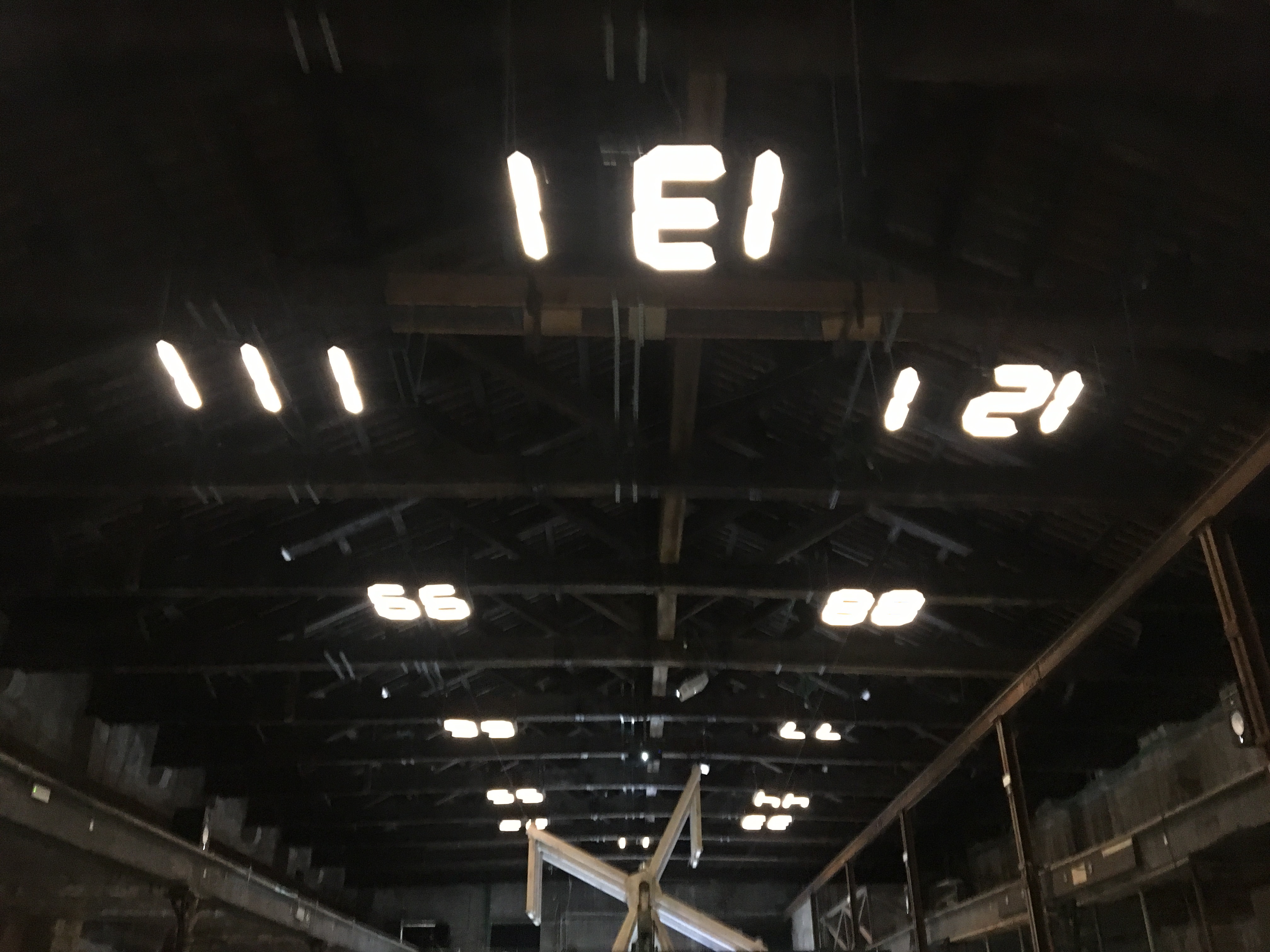
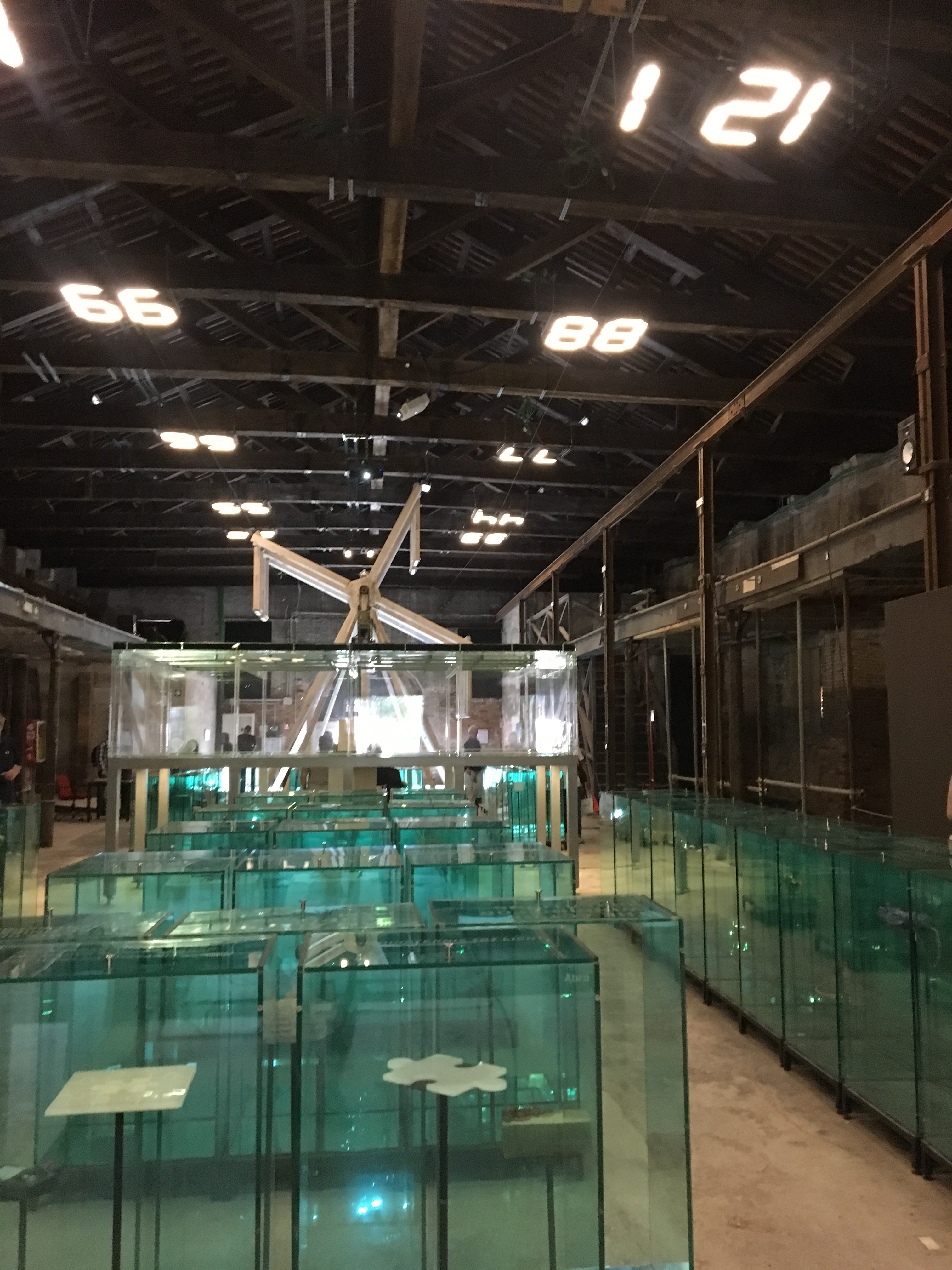
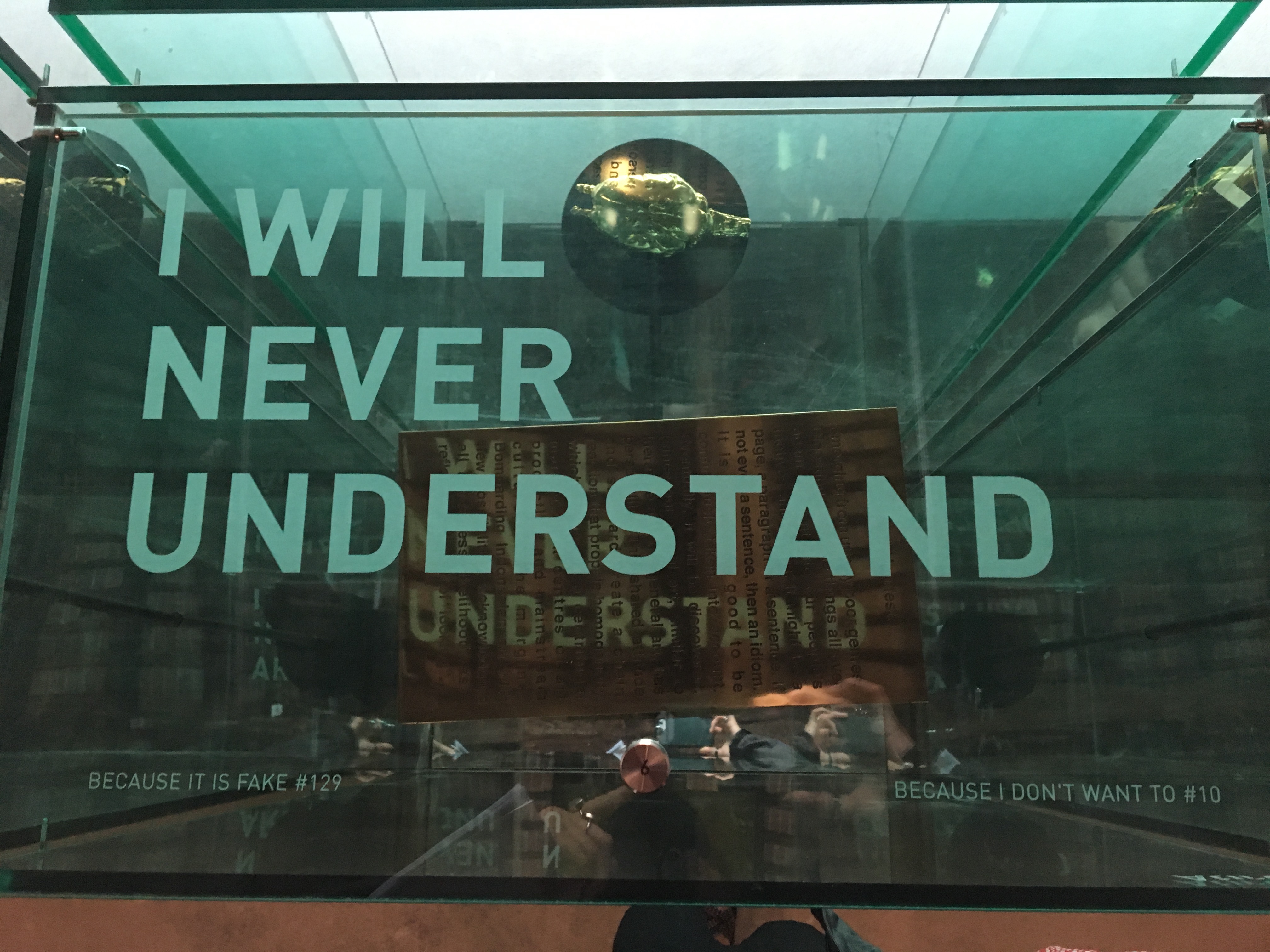
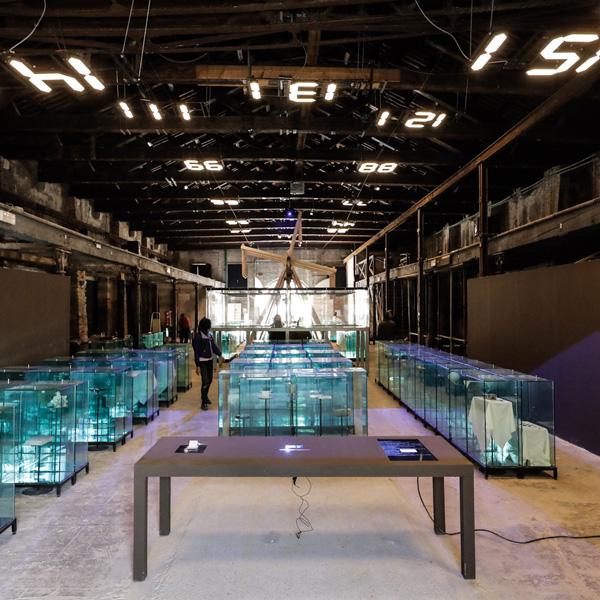
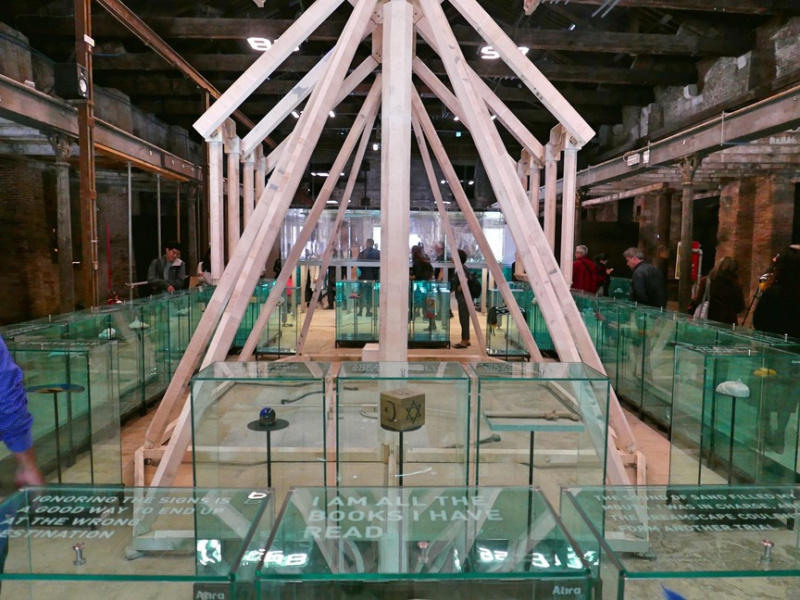
At this years Venice Biennale, the Indonesia pavilion featured an interactive narrative titled Lost Verses. The room was filled with class cases, whose tops were printed with one part of a fragmented story and a number, and contained objects inside. Each case gave possibilities for the next case for the viewer to visit.

A table near the exit of the pavilion allowed visitors to type in the numbers of the cases they visited, where they would receive a receipt with the sayings from each case they visited. This interactive narrative was an attempt to create a new experience of the biennial for visitors. Its structure also meant that each visitor likely came out with an entirely different constructed story.

http://artasiapacific.com/Blog/58thVeniceBiennalePart3NationalPavilionsInTheArsenale

Description from the Biennale’s website:
Lost Verses
. There is a Minang proverb that says: “akal tak sekali datang, runding tak sekali tiba”, which tells how things come to one’s senses through enduring processes of negotiation. The constitution of one’s mind and one’s self is then perceived as reiterating. It speaks about identifying while always adapting; and assigning meanings in the brevity of time. The Indonesia Pavilion at the Biennale Arte 2019 is based on this proverb, and it reimagines it as the layered experience of living in the present globalised condition. It works as the gamification of one’s narrative absorption in time, in an increasingly broad and divergent world. It tells us how minds saturate in limbo by forever falling into its dissociated self while trying to make sense.

Intellectual Property Development QCQ (October 1)

Q “Designers of board, card, or miniatures games may create the game around a central activity without having to worry about he traditional building blocks of character motivation. Fiction writers may find themselves quizzing the intellectual property creators on questions like ‘what do these characters want? How do they get i? How do they spend their time?'”

C Laws uses the term intellectual property slightly differently than it is commonly used (in copyright discussions.) Intellectual property in this case refers to intangible elements of a story or game like emotional tone and characters.

Q Does the intellectual property make up the so called bible of story?

Design a site like this with WordPress.com
Get started