Final Project Draft (December 5)
Project 4 Process (December 3)
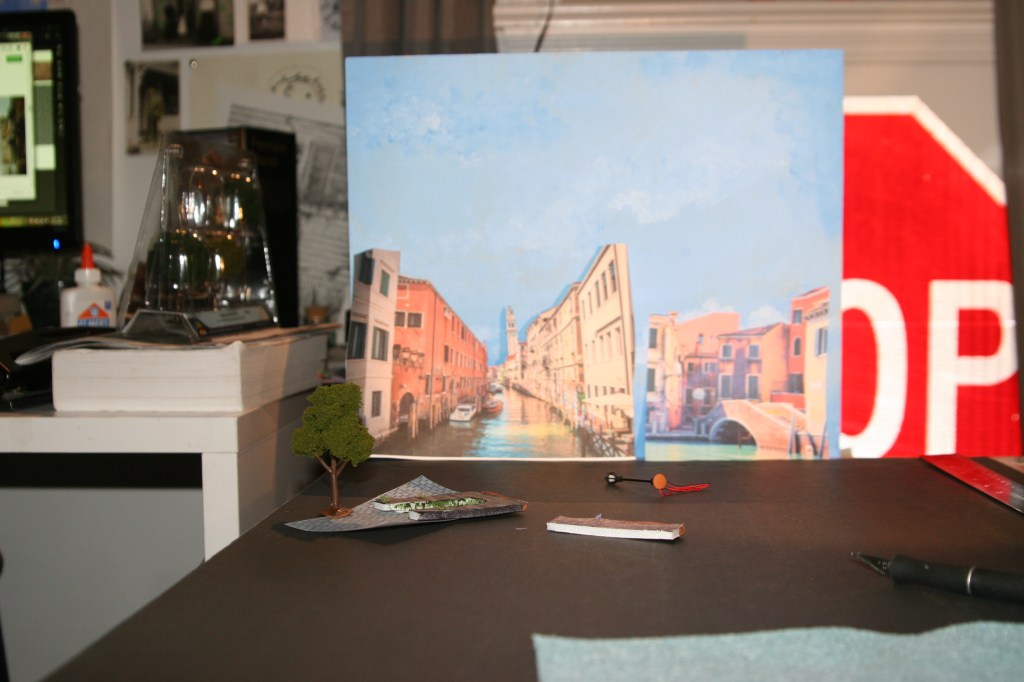
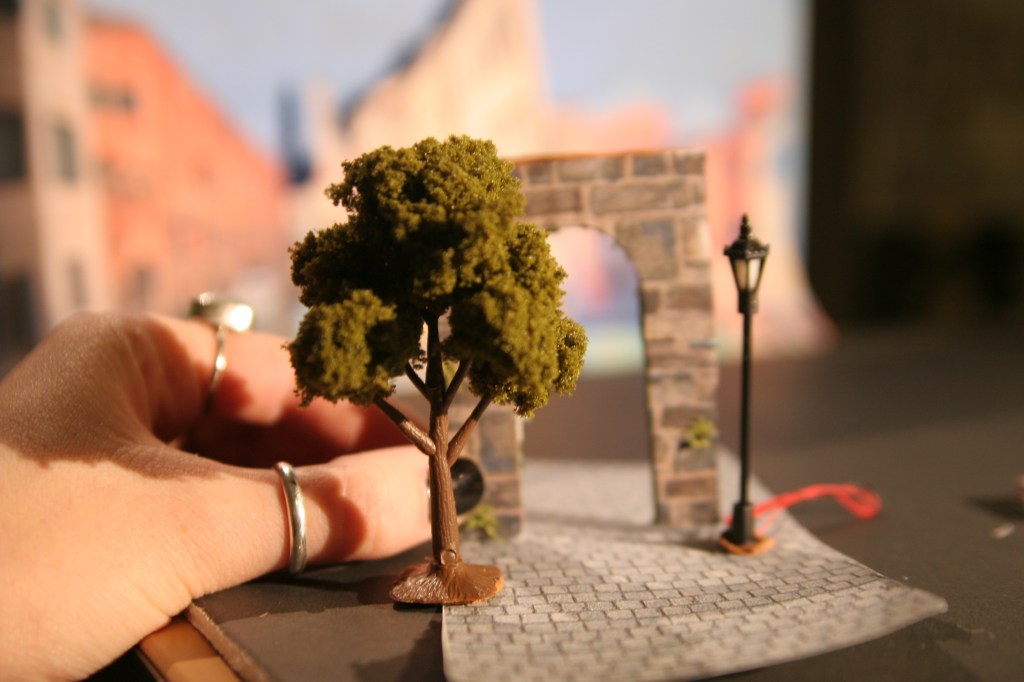
After building a miniature set to shoot my stop motion film, I am now shooting scenes as images, to be compiled as a video file complete with music, typography, and (if all goes as planned) a voiceover.

Outside Activity
The Lighthouse
On Friday, November 29th, I attended a showing of the film The Lighthouse at the Mayan Theater. For context, I had been waiting weeks to see the film after family and friends had recommended it and I watched a few trailers. Also, the night I went out to see the film was after the heavy snow that hit Colorado earlier in the week, and the wind started to pick up that evening. The film started at 9:45 pm.
At the Mayan Theater, I always appreciate that the theater’s employees introduce the film and provide their own perspective and opinions without spoiling it. The man that introduced The Lighthouse said he believed Robert Pattinson’s role in the film was the role he was born to play. He also provided a warning about sensitive content and mentioned that watching the film was a unique experience. This introduction built up suspense and anticipation for the film and made it feel compelling.
The film itself was quite intense, with a cast of only three characters in one limited setting, including various medium and close up shots of the characters amidst tense arguments or intimately private moments.
I expected this intensity from the film and it delivered. I could tell the audience around me was engaged from the gasps and laughter I heard throughout the hour and fifty minute runtime. Being part of that collective experience made the film more exciting to see. At one point, about thirty minutes in, the theater’s power went out for a moment. At first I thought the screen went black intentionally but realized the theater was completely dark, and the lights came back on a few moments later, leaving the screen blank. The man who introduced the film went to the projection room and got the movie set back up for us, and it continued without problems. The power outage made the experience feel eerie and it was quite fitting.
For me, the appeal of The Lighthouse is that it is unique for its time. The film was shot in a 1.19:1 aspect ratio on 35mm film. It is also black and white. These qualities are rare if not unheard of in popular cinema today, and I was excited to see what it be like to see a film like that on the big screen. It seems that other film lovers were also drawn to this film for its unique aspects.
Several days after attending the showing, I am still working out my own opinions and feelings about it. I know that there is more to discover about what I saw because I wasn’t digging very deep into the film’s symbolism as I was captivated by the visuals.
The limited cast of two characters with brief appearances from a third was almost shocking to me. It opened my eyes to the ways that elements like cast size can make a film feel intimate. The repetition of certain sounds and similar shots captured the mundane experience of solitary work of lighthouse watchmen.
I am looking forward to re-watching the film and seeing what I can discover about its meanings which I don’t feel I have accessed quite yet. This re-contextualizes something I have understood in class – that narrative and narrative design should have a quickly and for the most part easily accessible meaning in order to communicate a message. However in films like this one, the audience’s attention was captured long before the film started playing, and they seem up to the challenge of unpacking the film’s meanings long after it has ended.
Project 4 Process (November 21)
As of Thursday, November 21st, I have completed research and a plan for my process, and will be purchasing all of the necessary materials for the physical aspects of the project.
Project 4 Design Brief + Visuals
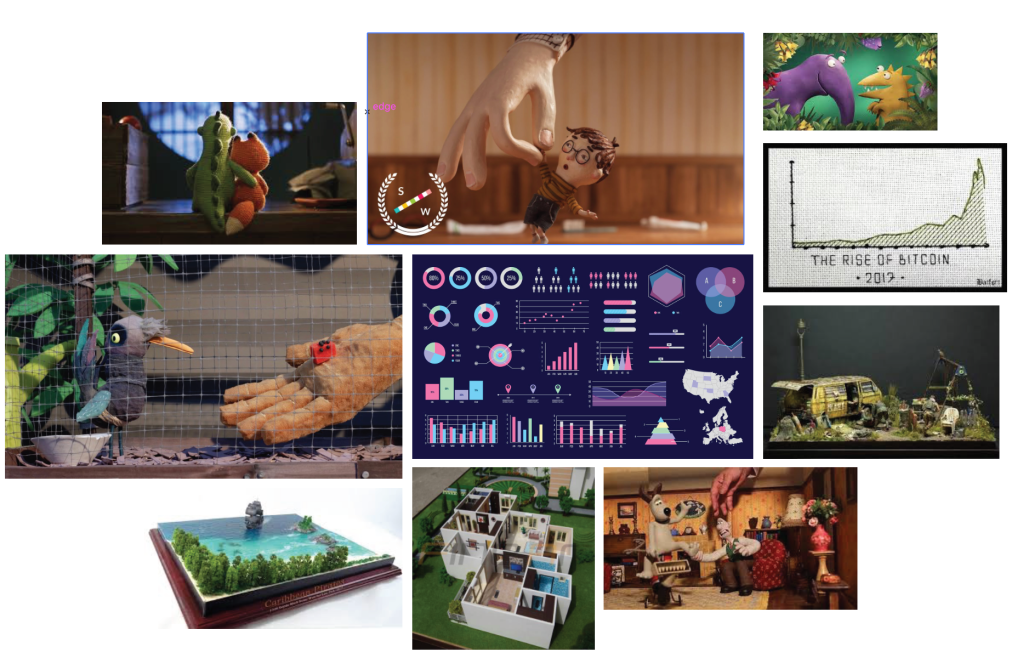
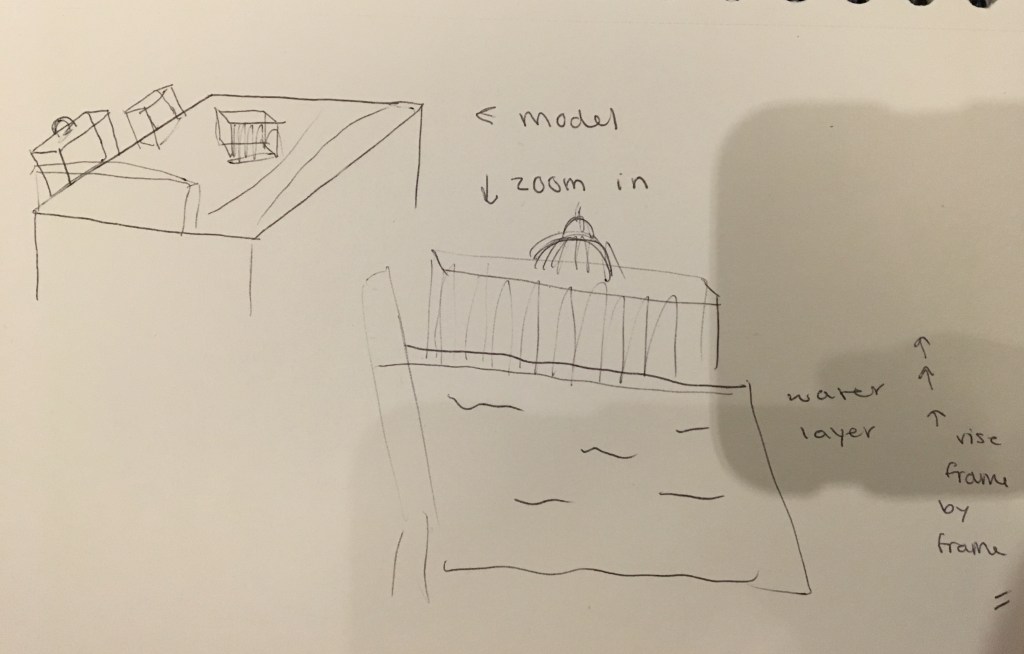
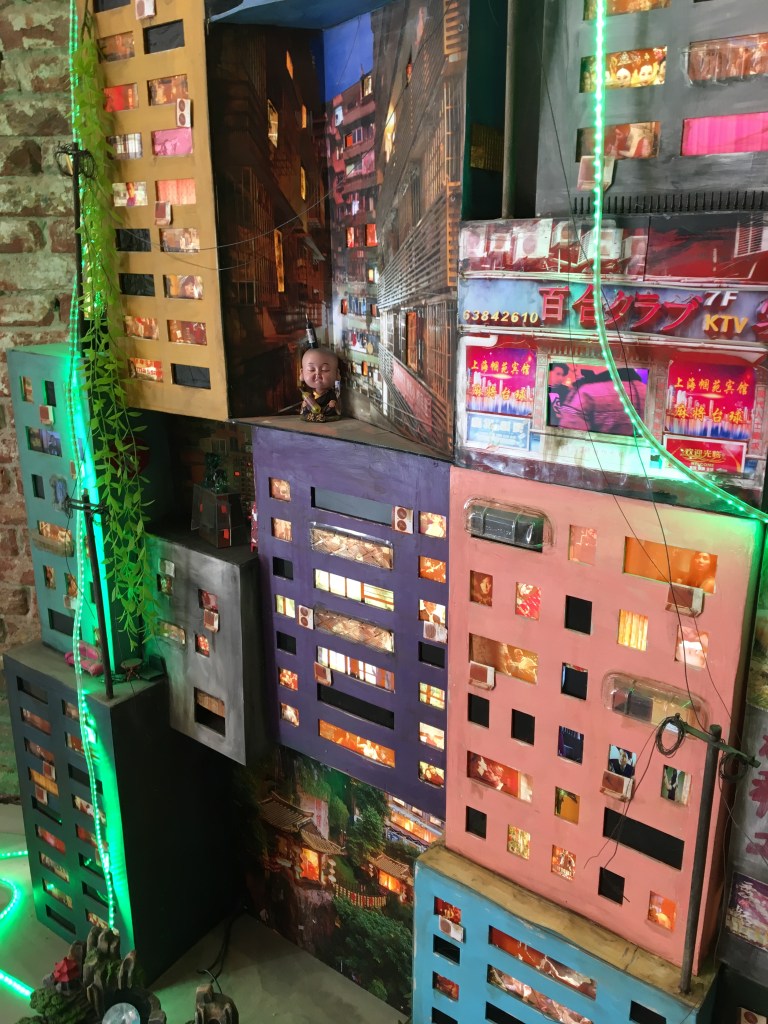
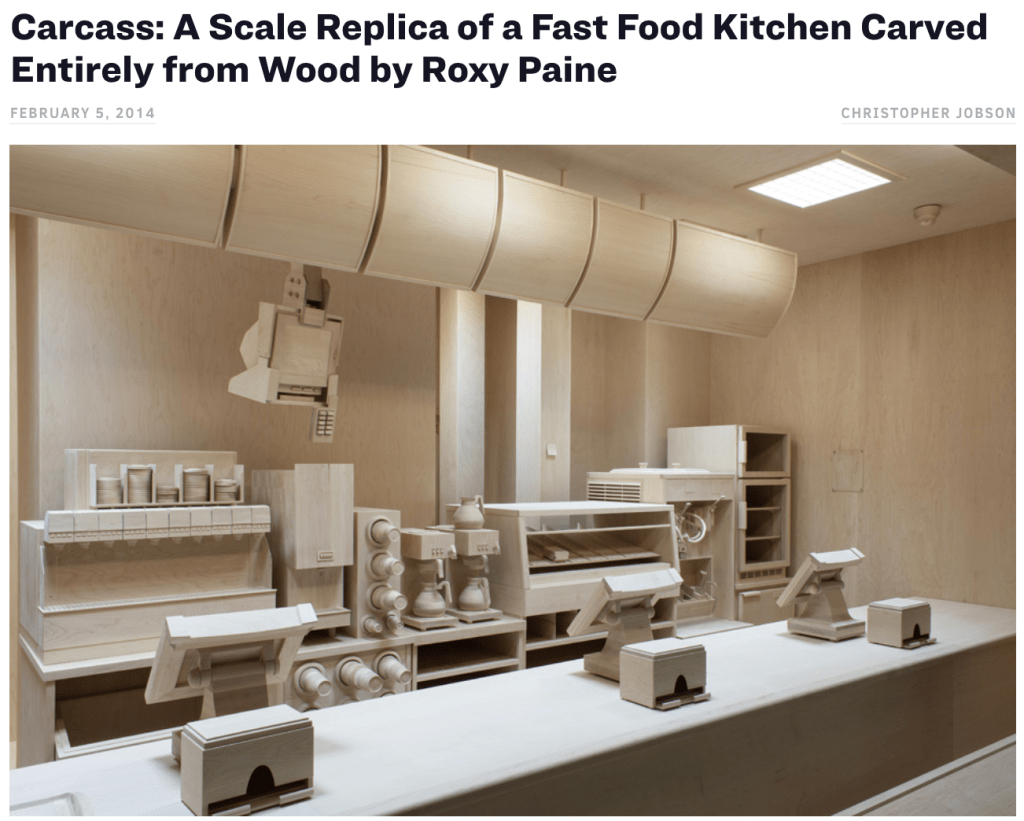
My visual inspiration for this project comes from the childlike quality of stop motion animation and claymation as well as the small scale charm of scale models.
Final Project Proposal (November 14)
Final Project Proposal:
For project 4 I will be telling a story through data and stop motion animation in a video. The film will tell the story of the current flooding in Venice, Italy, and what led to the catastrophe. The story will be told in a nonlinear way beginning with the present, and between data visualizations, moving backwards in time to uncover the causes of the flooding, which has been contributed to the effects of climate change on sea tides.
Assume the Position Response (November 14)
The focus of Robert Wuhl’s lecture is that history and pop culture are not entirely separate things. He explains that what is remembered from history is what was popular. Pop culture, popular storytelling, and word of mouth sharing of stories across generations tell the story of a time period.
Wuhl says that if “the legend becomes fact, print the legend.” From this perspective, any narrative that is popular and believed essentially becomes history. Even if it is not real, it becomes accepted. I feel that design and media have the responsibility of creating and publishing things that won’t mislead the public.
Narrative, narrative design, media, and history all choose the “fluff” or the stuff that “sounds better” in a story, despite the reality or truth of the situation. History is sensational.
I believe there is a line to be drawn in storytelling where we must make clear the difference between a sensational story and the truth.
Final Project Initial Ideas (November 12)
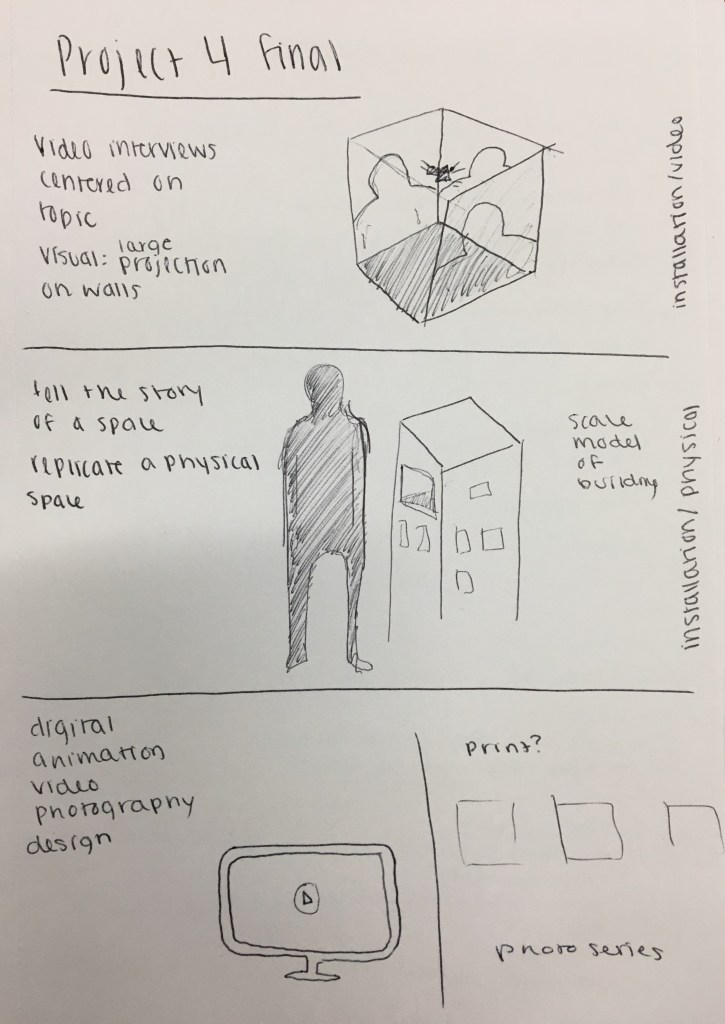
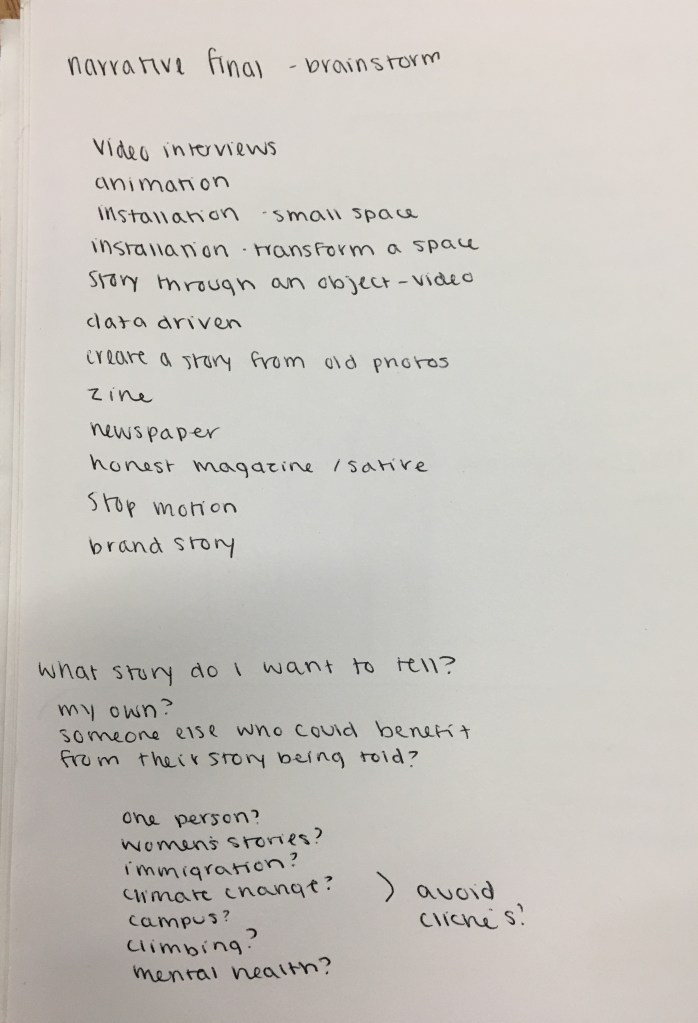
sketches/ brainstorming
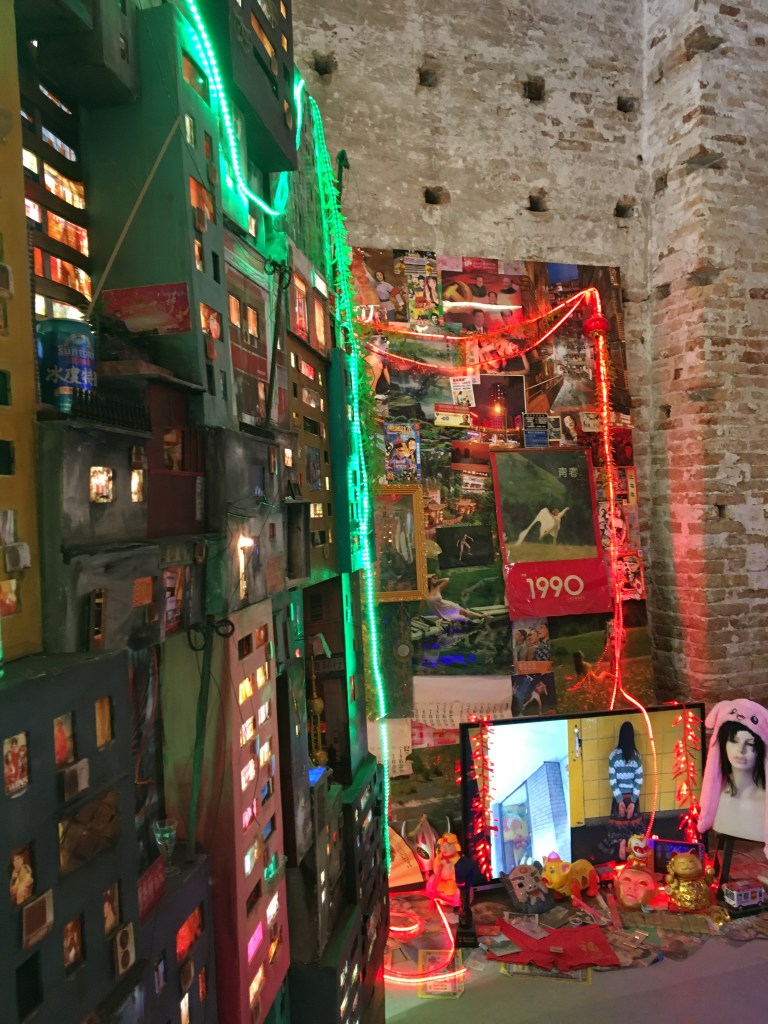
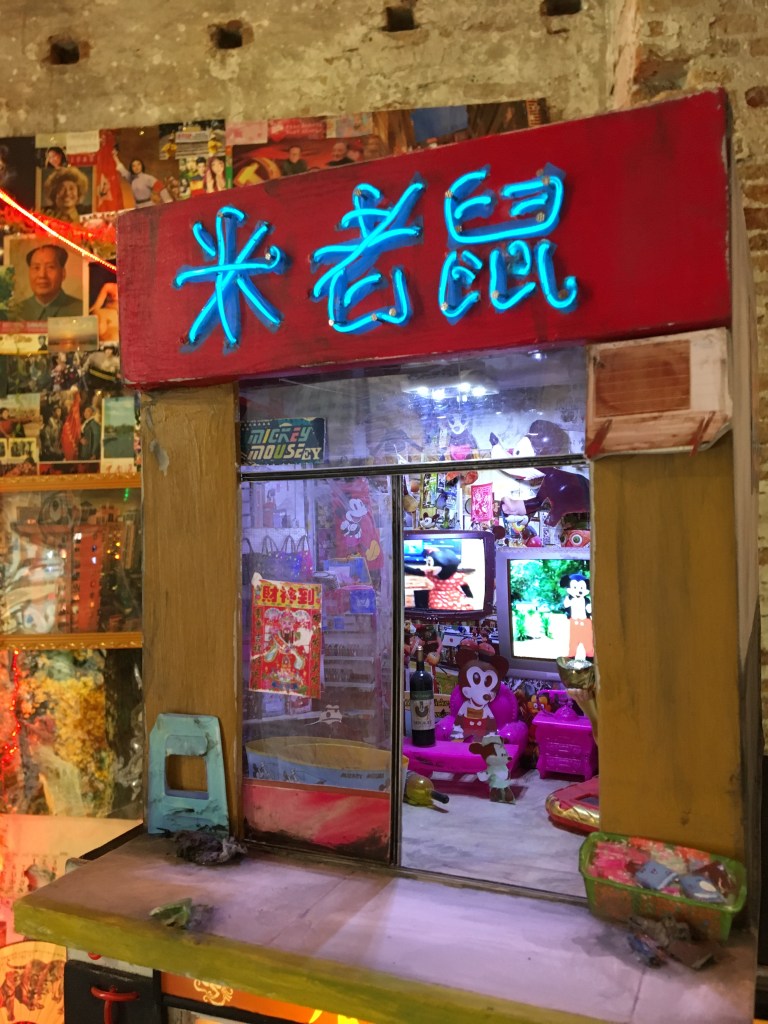
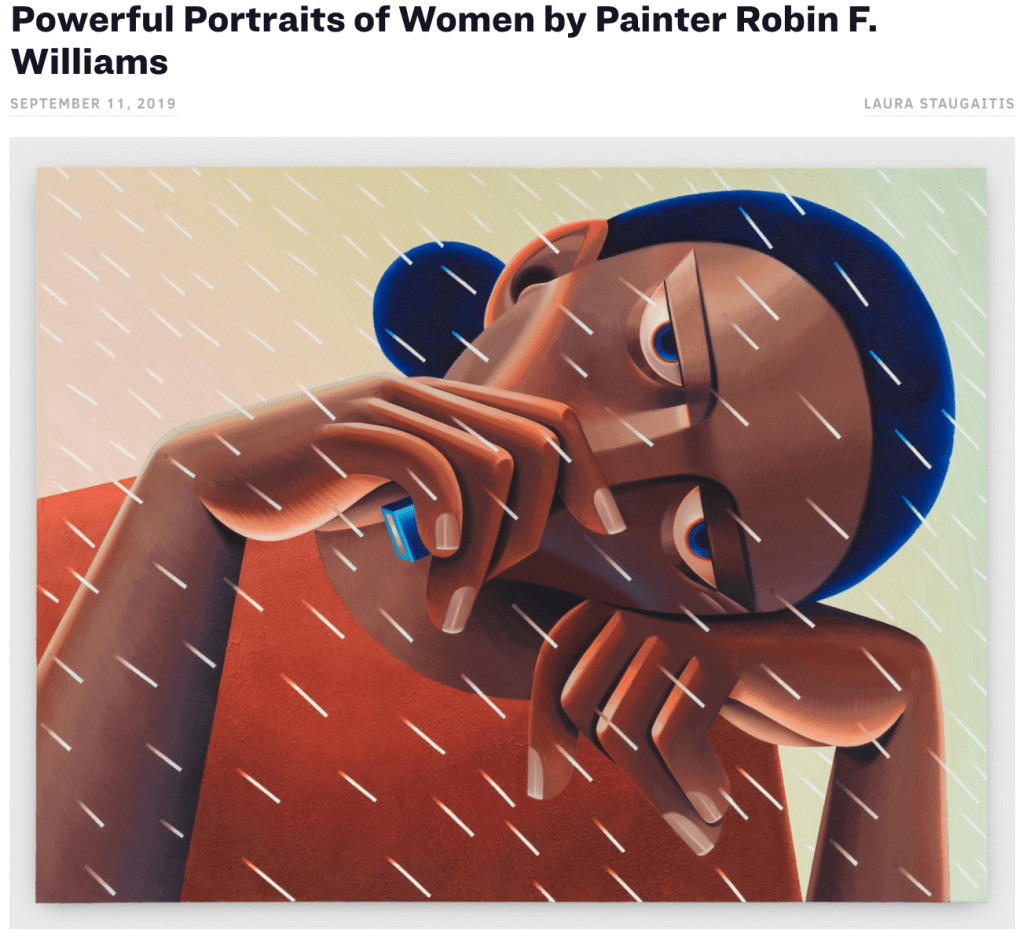
inspiration

 Narrative Design Fall 2019